

Make Our Food Safer. Ban Toxins in Food Packaging!
Tell your U.S. Representatives to co-sponsor and pass H.R. 6105 – the No Toxics in Food Packaging Act – comprehensive legislation that would phase out the use of chemicals in packaging that harm your health.
We know you care about where your food comes from and how it was produced. But often, when we reach for something on the supermarket shelf, we don’t give much thought to the packaging. Food packaging comes in many shapes, sizes and materials. And much of it contains synthetic toxins that leach into our food.
H.R. 6105 is common sense legislation that would protect all Americans.
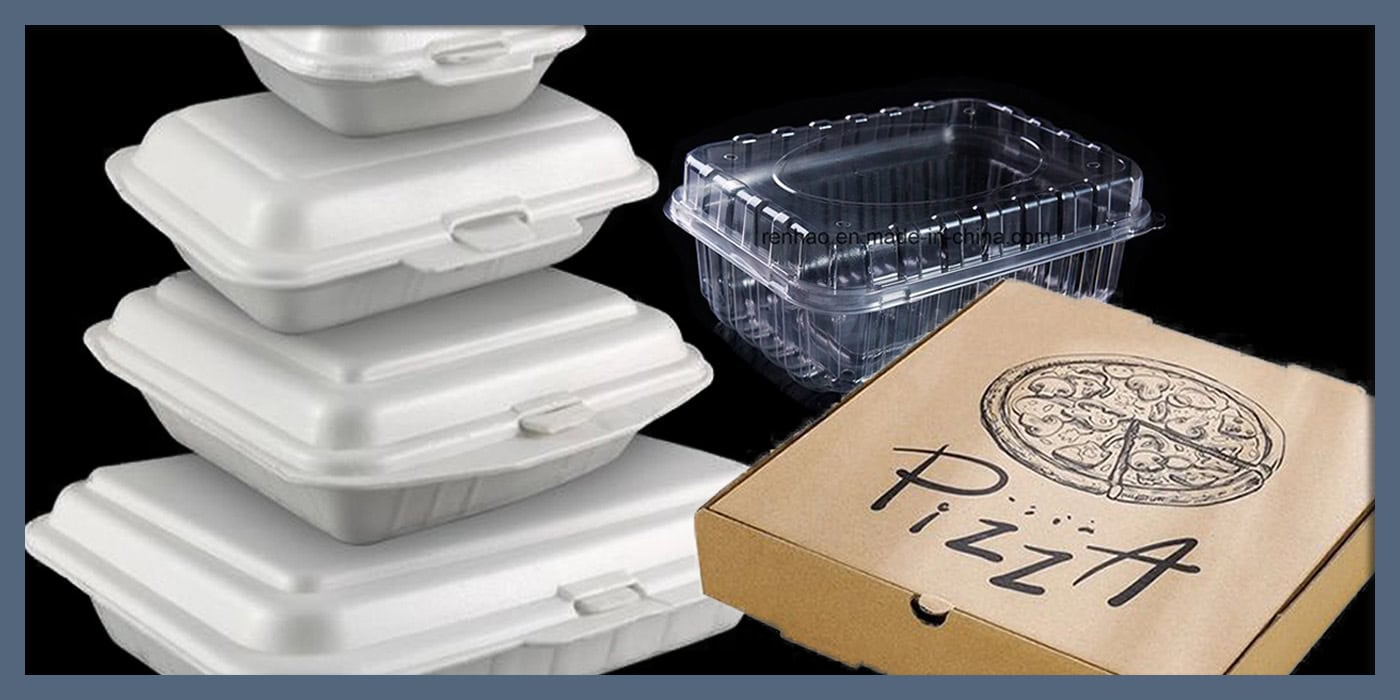
A 2023 study published in the journal Ecotoxicology and Environmental Safety found that chronic exposure to nanoplastics from polystyrene caused significant abnormalities in the intestinal mechanical and immune barrier of mice, indicating a potentially significant threat to human health. Styrofoam cups, take-out containers and other styrofoam packaging made from polystyrene leach toxic, carcinogenic chemicals into our food and drinks that damage intestinal barriers.
Another 2023 study published in the Journal of Ecotoxicology and Public Health found that thermal food labels attached to the plastic wrappers on fresh foods such as fruits and vegetables, cheese, meats, and fish leach Bisphenol S (BPS), an endocrine-disrupting chemical similar to BPA. The leaching occurred through the plastic wrappers and into the food at levels well above the EU safety thresholds. Endocrine-disrupting chemicals are dangerous at ultra-low levels. If that’s not enough, BPS is also a carcinogen, neurotoxin, and reproductive toxin!
Despite industry claims of safety, there have been multiple studies showing that the toxic chemicals used to make plastic packaging leach into the contents of the package. This includes both new and recycled plastics. And recycled plastic is even more toxic and dangerous than virgin plastic.
Specifically, H.R. 6105 would ban the use of these dangerous toxins in food packaging and processing materials:
(A) Any chemical belonging to the class of ortho-phthalates (endocrine disruptor, reproductive toxin, developmental toxin): used to make plastics more durable
(B) Any chemical belonging to the class of PFAS forever chemicals (endocrine disruptor, carcinogen, reproductive toxin, developmental toxin): used to make food packaging grease-proof, leak-proof or nonstick (Learn more about PFAS here.)
(C) Bisphenol A, B, S, F, or AF or related compounds (endocrine disruptor, carcinogen, neurotoxin, reproductive toxin): used to make thermal food labels for cellophane packaging of fresh fruits and vegetables, meat, fish and cheese; also used in plastics and the linings of beverage and food cans
(D) Styrene (carcinogen): used to make plastic packaging and styrofoam, disposable cups and containers
(E) Antimony trioxide (carcinogen): used to manufacture some polyethylene terephthalate (PET) plastic, which is used to make some ovenproof or microwavable plastic trays, as well as some plastic water bottles
If you buy organic to avoid pesticides and other synthetic chemicals, you could still be exposed to toxins in food packaging. Conventional food, organic food – both are at risk for contamination from toxic packaging.
H.R. 6105, the No Toxics in Food Packaging Act, is a bill for all Americans. Tell your U.S. Representative to move this important bill forward today.
You can read the full H.R. 6105 bill text HERE.