


PETITION TO THE UNITED STATES DEPARTMENT OF AGRICULTURE
SUBJECT
Americans Want True, On-Package GMO Labeling of ALL Foods Created With Genetic Engineering
MESSAGE TO USDA
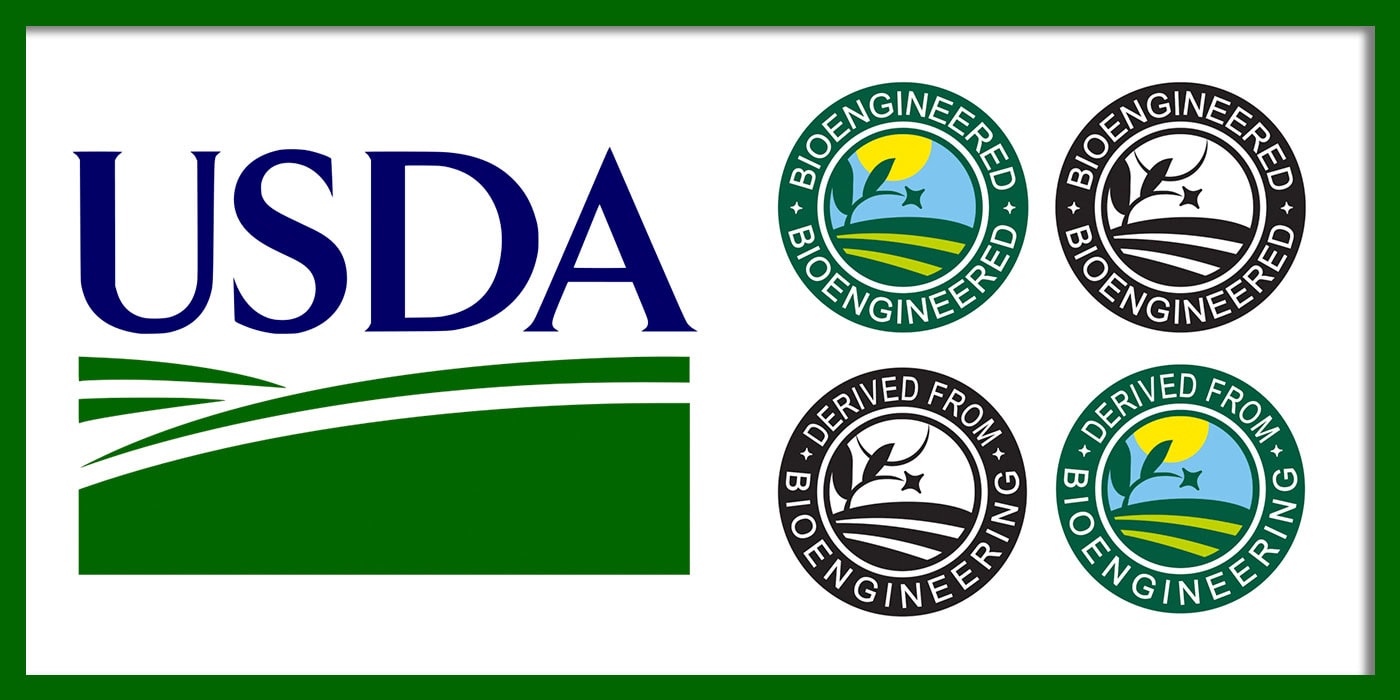
The recent federal appellate court ruling regarding Natural Grocers v Rollins, delivered a clear message to the USDA: the current GMO (Bioengineered/BE) labeling rule falls short of the law’s promise to consumers. The court found that the existing rule is inadequate and ordered the agency to go back and rewrite it—opening a critical window for honest, meaningful labeling that people can actually understand and use. The USDA is now compelled to revisit and revise the National Bioengineered Food Disclosure Standard and post its rewriting of the rule for public comment.
This is an important opportunity to ensure the public’s right to know is finally respected.
In re-writing the standard, the USDA must:
- Give the American public a reasonable timeline for the revision of the National Bioengineered Food Disclosure Standard, not to extend beyond January 1, 2027, and open a public comment period after revisions are made.
- The new standard should include simple, on-package words such as, “contains genetically engineered ingredients,” “contains genetically modified ingredients,” “contains bioengineered ingredients.”
- QR codes and website addresses can be in addition to on-package disclosure language, but cannot replace on-package disclosure.
- All food or ingredients sourced from genetically engineered crops, animals, or materials must be labeled. There should be no exemptions for highly refined or processed ingredients that current methods are unable to detect. All ingredients made with genetic engineering, including newer gene editing technologies and synthetic biology (an extreme form of genetic engineering), must fall under the National Bioengineered Food Disclosure Standard and be labeled. Americans have a right to know if their food was created with genetic engineering, regardless of the technology employed. Studies have demonstrated that both gene editing and synthetic biology carry the same risks as older methods of genetic engineering.
- The disclosure standard must be based on a 0.9% threshold of presence, the same as the threshold standard for GMO labeling in the EU.
BACKGROUND
A U.S. Court of Appeals is forcing the USDA to rewrite its corporate driven policy on GMO (Bioengineered/BE) food labeling. On October 31, 2025, a three-judge panel of the United States Court of Appeals for the Ninth Circuit handed down a landmark decision in Natural Grocers v. Rollins, significantly undermining key elements of the current rule, the National Bioengineered Food Disclosure Standard — opening the door for true, comprehensive, on-package, mandatory GMO labeling.
The current law, dubbed the DARK (Deny Americans the Right to Know) Act, passed in 2016 and signed into law by President Obama, was the fruit of tens of millions of lobbying dollars from Big Food and Big Ag, the companies that stand to lose the most when consumers know what they’re buying.
For decades, efforts to mandate GMO labeling in the United States faltered — through failed state ballot initiatives, legislation like the DARK Act, and regulatory standards that created more loopholes than transparency. The National Bioengineered Food Disclosure Standard represented the first national labeling standard — but one deeply compromised in scope and effectiveness.
The Ninth Circuit court’s decision addressed three central issues:
- Exemption for “highly refined” foods: The Ninth Circuit found that the USDA committed a legal error when it excluded processed foods whose genetic material was “undetectable” from labeling requirements. The court held that “non-detectability” under the regulation cannot be equated with “non-presence.” In other words, even if modified genetic material is so processed that current tests cannot detect it, that does not mean it is not “contained” in the food — so the exemption was unlawful.
- Disclosure format (QR-codes / website links): The appellate court affirmed that the previous allowance for QR codes (or website links) alone is invalid because such methods do not guarantee meaningful access to GMO disclosure. The court directed that the lower court craft an appropriate prospective vacatur of those provisions.
- Terminology (“bioengineered” vs. “GMO”): The court did not force USDA to adopt the more familiar term “GMO” or “genetically modified.” It accepted that USDA acted within its discretion in requiring the uniform term “bioengineered.”
The 2025 decision by the Ninth Circuit in Natural Grocers v. Rollins marks a significant turning point. By invalidating the exemption for refined foods and rejecting digital-only disclosure, the court has opened the door to REAL, meaningful disclosure — the kind we, and the majority of consumers, have demanded for well over a decade.
But this is not the end. Now begins the crucial next phase: regulatory rewriting, public input, and likely political and industry pressure. For a true labeling regime to emerge — one that clearly informs shoppers about GMO ingredients across the food products on our grocery store shelves — vigilance and continued advocacy will be essential.
Given the powerful influence of corporate lobbying, there will be extreme pressure from Big Food and Big Ag for high tolerance thresholds resulting in weak and meaningless standards, and to once again kick the can down the road for years in the hope that no one will notice and public engagement will decline.
This ruling doesn’t guarantee the end of labeling fights, but the beginning of yet another battle for food transparency. We need to know what’s in our food so we have the freedom to choose how our food was produced and, if need be, we can track back and figure out if it’s making us sick. It’s a basic human right to know. We hope you’re up for the fight!
SIGN THE PETITION TODAY.